Read the Bible in a Year

Each day, we'll post passages so that you can read the Bible in one year. This is part of The Colossians 13:16 Project, sponsored by Cove Presbyterian Church, 3404 Main Street, Weirton, West Virginia. You're invited to worship with us Sundays, at 11:00 a.m. or Saturdays, at 6:30 p.m. You may also want to consider joining one our adult Bible Studies: Thursdays at 12:00 noon and Sundays at 9:30 a.m. and 10:00 a.m. We also have a full range of programs for children. If you want more information about the church, check out the other blogs. And please feel free to leave any comments.

The Bible in a Year is a ministry of Cove Presbyterian Church. We need your support to keep posting. If you find it helpful, you can support this blog by your contributions. They may be sent to Cove Presbyterian Church, 3404 Main Street, Weirton, WV 26062. You can also use the PayPal link below:

Image result for paypal donate
Showing posts with label P. T. Barnum. Show all posts

Wednesday, July 5, 2017

Bible Readings for July 5, 2017


Today our passages are 1 Chronicles 1:1–2:17; Acts 23:11-35; Psalm 3:1-8; and Proverbs 18:14-15. The readings are from the Contemporary English VersionIf you find these readings helpful, please consider sending an offering directly to Cove Presbyterian Church, 3404 Main Street, Weirton, West Virginia or through PayPal by using the link below.

https://www.paypal.com/cgi-bin/webscr?cmd=_s-xclick&hosted_button_id=NX3WLYQG5864L

1 Chronicles 1-2:17 (Contemporary English Version)

1 Chronicles 1

The Descendants of Adam
(Genesis 5.1-32; 10.1-32; 11.10-32)
 1-4Adam was the father of Seth, and his descendants were Enosh, Kenan, Mahalalel, Jared, Enoch, Methuselah, Lamech, and Noah, who had three sons: Shem, Ham, and Japheth.     5Japheth was the father of Gomer, Magog, Madai, Javan, Tubal, Meshech, and Tiras, and they were the ancestors of the kingdoms named after them. 6Gomer was the ancestor of Ashkenaz, Riphath, [a] and Togarmah. 7Javan was the ancestor of Elishah, Tarshish, Kittim, and Dodanim. [b] 8Ham was the father of Ethiopia, [c] Egypt, Put, and Canaan, and they were the ancestors of the kingdoms named after them. 9Ethiopia was the ancestor of Seba, Havilah, Sabta, Raamah, and Sabteca. Raamah was the ancestor of Sheba and Dedan. 10Ethiopia was also the father of Nimrod, the world's first mighty warrior. 11Egypt was the ancestor of Ludim, Anamim, Lehabim, Naphtuhim, 12Pathrusim, Casluhim, and Caphtorim, the ancestor of the Philistines. [d] 13Canaan's oldest son was Sidon; his other son was Heth. 14-16Canaan was also the ancestor of the Jebusites, the Amorites, the Girgashites, the Hivites, and Arkites, the Sinites, the Arvadites, the Zemarites, and the Hamathites. 17Shem was the ancestor of Elam, Asshur, Arpachshad, Lud, Aram, Uz, Hul, Gether, and Meshech; [e] they were the ancestors of the kingdoms named after them. 18Arpachshad was Shelah's father and Eber's grandfather. 19Eber named his first son Peleg, [f] because in his time the earth was divided into tribal regions. Eber's second son was Joktan, 20-23the ancestor of Almodad, Sheleph, Hazarmaveth, Jerah, Hadoram, Uzal, Diklah, Ebal, Abimael, Sheba, Ophir, Havilah, and Jobab. 24-27Shem's descendants included Arpachshad, Shelah, Eber, Peleg, Reu, Serug, Nahor, Terah, and Abram, later renamed Abraham.
   
Abraham's Family
(Genesis 25.1-4,12-16)
 28Abraham was the father of Isaac and Ishmael.     29-31Ishmael had twelve sons, who were born in the following order: Nebaioth, Kedar, Adbeel, Mibsam, Mishma, Dumah, Massa, Hadad, Tema, Jetur, Naphish, and Kedemah.
    32Abraham and his slave woman Keturah had six sons: Zimran, Jokshan, Medan, Midian, Ishbak, and Shuah. Jokshan was the father of Sheba and Dedan. 33Midian was the father of Ephah, Epher, Hanoch, Abida, and Eldaah.
   
Esau's Family
(Genesis 36.1-14)
 34Abraham's son Isaac was the father of Esau and Jacob. [g] 35Esau was the father of Eliphaz, Reuel, Jeush, Jalam, and Korah. 36Eliphaz was the father of Teman, Omar, Zephi, Gatam, Kenaz, Timna, and Amalek. 37Reuel was the father of Nahath, Zerah, Shammah, and Mizzah.
The First Edomites and Their Kings
(Genesis 36.20-43)
 38Seir was the father of Lotan, Shobal, Zibeon, Anah, Dishon, Ezer, and Dishan. 39Lotan was the father of Hori and Homam; Lotan's sister was Timna. 40Shobal was the father of Alvan, [h] Manahath, Ebal, Shephi, and Onam. Zibeon was the father of Aiah and Anah. 41Anah was the father of Dishon and the grandfather of Hemdan, [i] Eshban, Ithran, and Cheran. 42Ezer was the father of Bilhan, Zaavan, and Jaakan. [j] Dishan [k] was the father of Uz and Aran. 43Before kings ruled in Israel, Bela son of Beor ruled the country of Edom from its capital of Dinhabah. 44After Bela's death, Jobab son of Zerah from Bozrah became king. 45After Jobab's death, Husham from the land of Teman became king. 46After Husham's death, Hadad son of Bedad became king and ruled from Avith. Earlier, Bedad had defeated the Midianites in the territory of Moab. 47After Hadad's death, Samlah from Masrekah became king; 48after Samlah's death, Shaul from the town of Rehoboth on the Euphrates River became king; 49and after Shaul's death, Baal Hanan son of Achbor became king. 50After Baal Hanan's death, Hadad ruled from Pai. His wife was Mehetabel, the daughter of Matred and granddaughter of Mezahab.     51The Edomite clans [l] were Timna, Alvah, [m] Jetheth, 52Oholibamah, Elah, Pinon, 53Kenaz, Teman, Mibzar, 54Magdiel, and Iram.

1 Chronicles 2

The Descendants of Judah
 1-2Jacob [n] was the father of twelve sons: Reuben, Simeon, Levi, Judah, Issachar, Zebulun, Dan, Joseph, Benjamin, Naphtali, Gad, and Asher. 3Judah and his Canaanite wife Bathshua had three sons: Er, Onan, and Shelah. But the LORD had Er put to death, because he disobeyed and did what the LORD hated. 4Judah and his daughter-in-law Tamar also had two sons: Perez and Zerah.     5Perez was the father of Hezron and Hamul. 6Zerah was the father of Zimri, Ethan, Heman, Calcol, and Darda. [o] 7Achan, [p] who was a descendant of Zerah and the son of Carmi, caused trouble for Israel, because he kept for himself things that belonged only to the LORD. [q] 8Ethan's son was Azariah.
The Ancestors of King David
 9Hezron was the father of Jerahmeel, Ram, and Caleb. [r] 10Ram was the father of Amminadab and the grandfather of Nahshon, a tribal leader of Judah. 11Nahshon's descendants included Salma, Boaz, 12Obed, and Jesse. 13-15Jesse had seven sons, who were born in the following order: Eliab, Abinadab, Shimea, Nethanel, Raddai, Ozem, and David. 16Jesse also had two daughters: Zeruiah and Abigail. Zeruiah was the mother of Abishai, Joab, and Asahel. 17Abigail's husband was Jether, who was a descendant of Ishmael, and their son was Amasa.
Footnotes:
  1. 1 Chronicles 1:6 Riphath: Most Hebrew manuscripts and two ancient translations (see also Genesis 10.2-5); some Hebrew manuscripts "Diphath." In Hebrew the letters "d" and "r" look almost exactly the same.
  2. 1 Chronicles 1:7 Dodanim: Most Hebrew manuscripts and one ancient translation (see also Genesis 10.2-5); some Hebrew manuscripts "Rodanim." In Hebrew the letters "d" and "r" look almost exactly the same.
  3. 1 Chronicles 1:8 Ethiopia: The Hebrew text has "Cush," which was a region south of Egypt that included parts of the present countries of Ethiopia and Sudan.
  4. 1 Chronicles 1:12 Casluhim, and Caphtorim, the ancestor of the Philistines: The Hebrew text has "Casluhim, the ancestor of the Philistines, and Caphtorim"; but see Jeremiah 47.4 and Amos 9.7.
  5. 1 Chronicles 1:17 Meshech: Most Hebrew manuscripts; a few Hebrew manuscripts and some manuscripts of one ancient translation "Mash" (see also Genesis 10.21-31).
  6. 1 Chronicles 1:19 Peleg: In Hebrew "Peleg" means "divided."
  7. 1 Chronicles 1:34 Jacob: The Hebrew text has "Israel," which was Jacob's name after God renamed him.
  8. 1 Chronicles 1:40 Alvan: Or "Alian."
  9. 1 Chronicles 1:41 Hemdan: Most Hebrew manuscripts and some manuscripts of one ancient translation (see also Genesis 36.26); other Hebrew manuscripts "Hamran."
  10. 1 Chronicles 1:42 Jaakan: Or "Akan" (see Genesis 36.27).
  11. 1 Chronicles 1:42 Dishan: The Hebrew text has "Dishon," another spelling of the name (see Genesis 36.28).
  12. 1 Chronicles 1:51 The Edomite clans: Or "The leaders of the Edomite clans."
  13. 1 Chronicles 1:51 Alvah: Or "Aliah."
  14. 1 Chronicles 2:1 Jacob: See the note at 1.34.
  15. 1 Chronicles 2:6 Darda: Most Hebrew manuscripts and two ancient translations (see also 1 Kings 4.30,31); some Hebrew manuscripts "Dara."
  16. 1 Chronicles 2:7 Achan: The Hebrew text has "Achar," which means "trouble."
  17. 1 Chronicles 2:7 Achan. . . the LORD: See Joshua 7.1-26.
  18. 1 Chronicles 2:9 Caleb: The Hebrew text has "Chelubai," another form of the name.

Acts 23:11-35 (Contemporary English Version)

11That night the Lord stood beside Paul and said, "Don't worry! Just as you have told others about me in Jerusalem, you must also tell about me in Rome."
   
A Plot To Kill Paul
 12-13The next morning more than forty Jewish men got together and vowed that they would not eat or drink anything until they had killed Paul. 14Then some of them went to the chief priests and the nation's leaders and said, "We have promised God that we would not eat a thing until we have killed Paul. 15You and everyone in the council must go to the commander and pretend that you want to find out more about the charges against Paul. Ask for him to be brought before your court. Meanwhile, we will be waiting to kill him before he gets there."     16When Paul's nephew heard about the plot, he went to the fortress and told Paul about it. 17So Paul said to one of the army officers, "Take this young man to the commander. He has something to tell him."
    18The officer took him to the commander and said, "The prisoner named Paul asked me to bring this young man to you, because he has something to tell you."
    19The commander took the young man aside and asked him in private, "What do you want to tell me?"
    20He answered, "Some men are planning to ask you to bring Paul down to the Jewish council tomorrow. They will claim that they want to find out more about him. 21But please don't do what they say. More than forty men are going to attack Paul. They have made a vow not to eat or drink anything until they have killed him. Even now they are waiting to hear what you decide."
    22The commander sent the young man away after saying to him, "Don't let anyone know that you told me this."
   
Paul Is Sent to Felix the Governor
 23The commander called in two of his officers and told them, "By nine o'clock tonight have two hundred soldiers ready to go to Caesarea. Take along seventy men on horseback and two hundred foot soldiers with spears. 24Get a horse ready for Paul and make sure that he gets safely through to Felix the governor."     25The commander wrote a letter that said:
    26Greetings from Claudius Lysias to the Honorable Governor Felix:
    27Some Jews grabbed this man and were about to kill him. But when I found out that he was a Roman citizen, I took some soldiers and rescued him.
    28I wanted to find out what they had against him. So I brought him before their council 29and learned that the charges concern only their religious laws. This man isn't guilty of anything for which he should die or even be put in jail.
    30As soon as I learned that there was a plot against him, I sent him to you and told their leaders to bring charges against him in your court.
    31The soldiers obeyed the commander's orders, and that same night they took Paul to the city of Antipatris. 32The next day the foot soldiers returned to the fortress and let the soldiers on horseback take him the rest of the way. 33When they came to Caesarea, they gave the letter to the governor and handed Paul over to him.
    34The governor read the letter. Then he asked Paul and found out that he was from Cilicia. 35The governor said, "I will listen to your case as soon as the people come to bring their charges against you." After saying this, he gave orders for Paul to be kept as a prisoner in Herod's palace. [a]
Footnotes:
  1. Acts 23:35 Herod's palace: The palace built by Herod the Great and used by the Roman governors of Palestine.

Psalm 3:1-8 (Contemporary English Version)

Psalm 3

(Written by David when he was running from his son Absalom.)
An Early Morning Prayer
 1I have a lot of enemies, LORD.    Many fight against 2me and say,
   "God won't rescue you!"
    3But you are my shield,
   and you give me victory
   and great honor.
    4I pray to you, and you answer
   from your sacred hill.
    5I sleep and wake up refreshed
   because you, LORD,
   protect me.
    6Ten thousand enemies attack
   from every side,
   but I am not afraid.
    7Come and save me, LORD God!
   Break my enemies' jaws
   and shatter their teeth,
    8because you protect
   and bless your people.


Proverbs 18:14-15 (Contemporary English Version)

14Being cheerful helps
   when we are sick,
   but nothing helps
   when we give up.
    15Everyone with good sense
   wants to learn.


Verse of the Day

“At that time you will say, 'Our LORD, we are thankful, and we worship only you. We will tell the nations how glorious you are and what you have done.'” - Isaiah 12:4
Today's passage is from the Contemporary English Version.
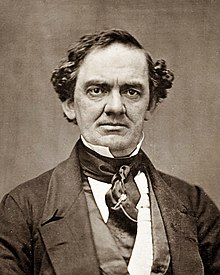
 PT Barnum 1851-crop.jpgThought for the Day

American politician, showman, and businessman remembered for promoting celebrated hoaxes and for founding the Barnum & Bailey Circus, P. T. Barnum wrote, “Money is in some respects like fire; it is a very excellent servant but a terrible master.”


Image result for cartoon sermon
A Joke for the Day


The new minister stood at the church door greeting the members as they left the Sunday morning service. While most of the people told the minster how much they liked his message, one man seemingly had a different opinion. “That was a very dull and boring sermon, Pastor,” he said. The pastor was a bit baffled by this, but he continued shaking hands.

A few minutes later, the same man again appeared in line and said, “I don’t think you did much in the way of preparation for your message.”Once again, the man circled back and appeared in line, this time muttering, “You really blew it. You didn’t have a thing to say, Pastor.”

Finally, the minister could stand it no longer. He went to one of the deacons and inquired about the man. “Oh, don’t let that guy bother you,” said the deacon. “He’s a little slow. All he does is go around repeating whatever he hears other people saying.”

Tuesday, July 5, 2016

Bible Readings for July 5, 2016


Today our passages are 1 Chronicles 1:1–2:17; Acts 23:11-35; Psalm 3:1-8; and Proverbs 18:14-15. The readings are from The Message by Eugene H. Peterson.  If you find these readings helpful, please consider sending an offering directly to Cove Presbyterian Church, 3404 Main Street, Weirton, West Virginia or through PayPal.

1 Chronicles 1-2:17 (The Message)

1 Chronicles 1

Israel's Family Tree: The Trunk
 1-4Adam    Seth
   Enosh
   Kenan
   Mahalalel
   Jared
   Enoch
   Methuselah
   Lamech
   Noah
   Shem, Ham, and Japheth.
The Japheth Branch
5 Japheth had Gomer, Magog, Madai, Javan, Tubal, Meshech, and Tiras.  6 Gomer had Ashkenaz, Riphath, and Togarmah.
 7 Javan had Elisha, Tarshish, Kittim, and Rodanim.
The Ham Branch
8 Ham had Cush, Mizraim, Put, and Canaan.  9 Cush had Seba, Havilah, Sabta, Raamah, and Sabteca.
    Raamah had Sheba and Dedan.
 10 Cush had Nimrod, the first great hero on earth.
 11-12 Mizraim was ancestor to the Ludim, the Anamim, the Lehabim, the Naphtuhim, the Pathrusim, the Casluhim, and the Caphtorim from whom the Philistines descended.
 13-16 Canaan had Sidon (his firstborn) and Heth, and was ancestor to the Jebusites, the Amorites, the Girgashites, the Hivites, the Arkites, the Sinites, the Arvadites, the Zemarites, and the Hamathites.
The Shem Branch
17 Shem had Elam, Asshur, Arphaxad, Lud, Aram, Uz, Hul, Gether, and Meshech.  18-19 Arphaxad had Shelah and Shelah had Eber. Eber had two sons: Peleg (Division) because in his time the earth was divided up; his brother was Joktan.
 20-23 Joktan had Almodad, Sheleph, Hazarmaveth, Jerah, Hadoram, Uzal, Diklah, Ebal, Abimael, Sheba, Ophir, Havilah, and Jobab—all sons of Joktan.
 24-28 The three main branches in summary: Shem, Arphaxad, Shelah, Eber, Peleg, Reu, Serug, Nahor, Terah, and Abram (Abraham). And Abraham had Isaac and Ishmael.
The Family of Abraham
29-31 Abraham's family tree developed along these lines: Ishmael had Nebaioth (his firstborn), then Kedar, Adbeel, Mibsam, Mishma, Dumah, Massa, Hadad, Tema, Jetur, Naphish, and Kedemah—the Ishmael branch.  32-33 Keturah, Abraham's concubine, gave birth to Zimran, Jokshan, Medan, Midian, Ishbak, and Shuah. Then Jokshan had Sheba and Dedan. And Midian had Ephah, Epher, Hanoch, Abida, and Eldaah. These made up the Keturah branch.
 34-37 Abraham had Isaac, and Isaac had Esau and Israel (Jacob). Esau had Eliphaz, Reuel, Jeush, Jalam, and Korah. Eliphaz had Teman, Omar, Zepho, Gatam, Kenaz, Timna, and Amalek. And Reuel had Nahath, Zerah, Shammah, and Mizzah.
 38-42 Seir then had Lotan, Shobal, Zibeon, Anah, Dishon, Ezer, and Dishan. Lotan had Hori and Homam. Timna was Lotan's sister. Shobal had Alian, Manahath, Ebal, Shepho, and Onam. Zibeon had Aiah and Anah. Anah had Dishon. Dishon had Hemdan, Eshban, Ithran, and Keran. Ezer had Bilhan, Zaavan, and Akan. And Dishan had Uz and Aran.
The Edomite King List
43-51 A list of the kings who ruled in the country of Edom before Israel had a king:    Bela son of Beor; his city was Dinhabah.
   Bela died; Jobab son of Zerah from Bozrah was the next king.
   Jobab died; Husham from the country of the Temanites was the next king.
   Husham died; Hadad son of Bedad, who defeated Midian in the country of Moab, was the next king; his city was Avith.
   Hadad died; Samlah from Masrekah was the next king.
   Samlah died; Shaul from Rehoboth-by-the-River was the next king.
   Shaul died; Baal-Hanan son of Acbor was the next king.
   Baal-Hanan died; Hadad was the next king; his city was Pau and his wife was Mehetabel daughter of Matred, the daughter of Me-Zahab.
   Last of all Hadad died.
 51-54 The chieftains of Edom after that were Chief Timna, Chief Alvah, Chief Jetheth, Chief Oholibamah, Chief Elah, Chief Pinon, Chief Kenaz, Chief Teman, Chief Mibzar, Chief Magdiel, and Chief Iram. These were the chieftains of Edom.

1 Chronicles 2

The Family of Israel (Jacob)
 1-2Israel's (that is, Jacob's) sons: Reuben, Simeon, Levi, Judah, Issachar, Zebulun, Dan, Joseph, Benjamin, Naphtali, Gad, and Asher.  3-9 Judah had Er, Onan, and Shelah; their mother was Bathshua the Canaanite. Er, Judah's firstborn, was so bad before God that God killed him. Judah also had Perez and Zerah by his daughter-in-law Tamar—a total of five sons. Perez had Hezron and Hamul; Zerah had Zimri, Ethan, Heman, Calcol, and Darda—five sons. Carmi had Achar, who brought doom on Israel when he violated a holy ban. Ethan's son was Azariah. And Hezron had Jerahmeel, Ram, and Chelubai.
 10-17 Ram had Amminadab and Amminadab had Nahshon, a prominent leader in the Judah family. Nahshon had Salmon and Salmon had Boaz. Boaz had Obed and Obed had Jesse. Jesse's firstborn was Eliab, followed by Abinadab, Shimea, Nethanel, Raddai, Ozem, and finally David; David was the seventh. Their sisters were Zeruiah and Abigail. Zeruiah gave birth to three sons: Abishai, Joab, and Asahel; Abigail was the mother of Amasa (the father was Jether the Ishmaelite).


Acts 23:11-35 (The Message)

A Plot Against Paul
 11That night the Master appeared to Paul: "It's going to be all right. Everything is going to turn out for the best. You've been a good witness for me here in Jerusalem. Now you're going to be my witness in Rome!"  12-15Next day the Jews worked up a plot against Paul. They took a solemn oath that they would neither eat nor drink until they had killed him. Over forty of them ritually bound themselves to this murder pact and presented themselves to the high priests and religious leaders. "We've bound ourselves by a solemn oath to eat nothing until we have killed Paul. But we need your help. Send a request from the council to the captain to bring Paul back so that you can investigate the charges in more detail. We'll do the rest. Before he gets anywhere near you, we'll have killed him. You won't be involved."
 16-17Paul's nephew, his sister's son, overheard them plotting the ambush. He went immediately to the barracks and told Paul. Paul called over one of the centurions and said, "Take this young man to the captain. He has something important to tell him."
 18The centurion brought him to the captain and said, "The prisoner Paul asked me to bring this young man to you. He said he has something urgent to tell you."
 19The captain took him by the arm and led him aside privately. "What is it? What do you have to tell me?"
 20-21Paul's nephew said, "The Jews have worked up a plot against Paul. They're going to ask you to bring Paul to the council first thing in the morning on the pretext that they want to investigate the charges against him in more detail. But it's a trick to get him out of your safekeeping so they can murder him. Right now there are more than forty men lying in ambush for him. They've all taken a vow to neither eat nor drink until they've killed him. The ambush is set—all they're waiting for is for you to send him over."
 22The captain dismissed the nephew with a warning: "Don't breathe a word of this to a soul."
 23-24The captain called up two centurions. "Get two hundred soldiers ready to go immediately to Caesarea. Also seventy cavalry and two hundred light infantry. I want them ready to march by nine o'clock tonight. And you'll need a couple of mules for Paul and his gear. We're going to present this man safe and sound to Governor Felix."
 25-30Then he wrote this letter:
   From Claudius Lysias, to the Most Honorable Governor Felix:
   Greetings! I rescued this man from a Jewish mob. They had seized him and were about to kill him when I learned that he was a Roman citizen. So I sent in my soldiers. Wanting to know what he had done wrong, I had him brought before their council. It turned out to be a squabble turned vicious over some of their religious differences, but nothing remotely criminal. The next thing I knew, they had cooked up a plot to murder him. I decided that for his own safety I'd better get him out of here in a hurry. So I'm sending him to you. I'm informing his accusers that he's now under your jurisdiction. 31-33The soldiers, following orders, took Paul that same night to safety in Antipatris. In the morning the soldiers returned to their barracks in Jerusalem, sending Paul on to Caesarea under guard of the cavalry. The cavalry entered Caesarea and handed Paul and the letter over to the governor.
 34-35After reading the letter, the governor asked Paul what province he came from and was told "Cilicia." Then he said, "I'll take up your case when your accusers show up." He ordered him locked up for the meantime in King Herod's official quarters.


Psalm 3:1-8 (The Message)

Psalm 3

 1-2 God! Look! Enemies past counting! Enemies sprouting like mushrooms,
   Mobs of them all around me, roaring their mockery:
   "Hah! No help for him from God!"

 3-4 But you, God, shield me on all sides;
   You ground my feet, you lift my head high;
   With all my might I shout up to God,
   His answers thunder from the holy mountain.

 5-6 I stretch myself out. I sleep.
   Then I'm up again—rested, tall and steady,
   Fearless before the enemy mobs
   Coming at me from all sides.

 7 Up, God! My God, help me!
   Slap their faces,
   First this cheek, then the other,
   Your fist hard in their teeth!

 8 Real help comes from God.
   Your blessing clothes your people!


Proverbs 18:14-15 (The Message)


 14 A healthy spirit conquers adversity,
   but what can you do when the spirit is crushed?

 15 Wise men and women are always learning,
   always listening for fresh insights.


Verse of the Day
“At that time you will say, "Our LORD, we are thankful, and we worship only you. We will tell the nations how glorious you are and what you have done.” - Isaiah 12:4
Today's passage is from the Contemporary English Version.

 
PT Barnum 1851-crop.jpg
Thought for the Day
American politician, showman, and businessman remembered for promoting celebrated hoaxes and for founding the Barnum & Bailey Circus, P. T. Barnum wrote, “Politeness and civility are the best capital ever invested in business.”

Saturday, July 5, 2014

Bible Readings for July 5, 2014


Today our passages are 1 Chronicles 1:1–2:17; Acts 23:11-35; Psalm 3:1-8; and Proverbs 18:14-15. The readings are from The Message by Eugene H. Peterson. If you missed a day, you can find all the readings at our blog, The Bible in a Year.


1 Chronicles 1-2:17 (The Message)

1 Chronicles 1

Israel's Family Tree: The Trunk
 1-4Adam    Seth
   Enosh
   Kenan
   Mahalalel
   Jared
   Enoch
   Methuselah
   Lamech
   Noah
   Shem, Ham, and Japheth.
The Japheth Branch
5 Japheth had Gomer, Magog, Madai, Javan, Tubal, Meshech, and Tiras.  6 Gomer had Ashkenaz, Riphath, and Togarmah.
 7 Javan had Elisha, Tarshish, Kittim, and Rodanim.
The Ham Branch
8 Ham had Cush, Mizraim, Put, and Canaan.  9 Cush had Seba, Havilah, Sabta, Raamah, and Sabteca.
    Raamah had Sheba and Dedan.
 10 Cush had Nimrod, the first great hero on earth.
 11-12 Mizraim was ancestor to the Ludim, the Anamim, the Lehabim, the Naphtuhim, the Pathrusim, the Casluhim, and the Caphtorim from whom the Philistines descended.
 13-16 Canaan had Sidon (his firstborn) and Heth, and was ancestor to the Jebusites, the Amorites, the Girgashites, the Hivites, the Arkites, the Sinites, the Arvadites, the Zemarites, and the Hamathites.
The Shem Branch
17 Shem had Elam, Asshur, Arphaxad, Lud, Aram, Uz, Hul, Gether, and Meshech.  18-19 Arphaxad had Shelah and Shelah had Eber. Eber had two sons: Peleg (Division) because in his time the earth was divided up; his brother was Joktan.
 20-23 Joktan had Almodad, Sheleph, Hazarmaveth, Jerah, Hadoram, Uzal, Diklah, Ebal, Abimael, Sheba, Ophir, Havilah, and Jobab—all sons of Joktan.
 24-28 The three main branches in summary: Shem, Arphaxad, Shelah, Eber, Peleg, Reu, Serug, Nahor, Terah, and Abram (Abraham). And Abraham had Isaac and Ishmael.
The Family of Abraham
29-31 Abraham's family tree developed along these lines: Ishmael had Nebaioth (his firstborn), then Kedar, Adbeel, Mibsam, Mishma, Dumah, Massa, Hadad, Tema, Jetur, Naphish, and Kedemah—the Ishmael branch.  32-33 Keturah, Abraham's concubine, gave birth to Zimran, Jokshan, Medan, Midian, Ishbak, and Shuah. Then Jokshan had Sheba and Dedan. And Midian had Ephah, Epher, Hanoch, Abida, and Eldaah. These made up the Keturah branch.
 34-37 Abraham had Isaac, and Isaac had Esau and Israel (Jacob). Esau had Eliphaz, Reuel, Jeush, Jalam, and Korah. Eliphaz had Teman, Omar, Zepho, Gatam, Kenaz, Timna, and Amalek. And Reuel had Nahath, Zerah, Shammah, and Mizzah.
 38-42 Seir then had Lotan, Shobal, Zibeon, Anah, Dishon, Ezer, and Dishan. Lotan had Hori and Homam. Timna was Lotan's sister. Shobal had Alian, Manahath, Ebal, Shepho, and Onam. Zibeon had Aiah and Anah. Anah had Dishon. Dishon had Hemdan, Eshban, Ithran, and Keran. Ezer had Bilhan, Zaavan, and Akan. And Dishan had Uz and Aran.
The Edomite King List
43-51 A list of the kings who ruled in the country of Edom before Israel had a king:    Bela son of Beor; his city was Dinhabah.
   Bela died; Jobab son of Zerah from Bozrah was the next king.
   Jobab died; Husham from the country of the Temanites was the next king.
   Husham died; Hadad son of Bedad, who defeated Midian in the country of Moab, was the next king; his city was Avith.
   Hadad died; Samlah from Masrekah was the next king.
   Samlah died; Shaul from Rehoboth-by-the-River was the next king.
   Shaul died; Baal-Hanan son of Acbor was the next king.
   Baal-Hanan died; Hadad was the next king; his city was Pau and his wife was Mehetabel daughter of Matred, the daughter of Me-Zahab.
   Last of all Hadad died.
 51-54 The chieftains of Edom after that were Chief Timna, Chief Alvah, Chief Jetheth, Chief Oholibamah, Chief Elah, Chief Pinon, Chief Kenaz, Chief Teman, Chief Mibzar, Chief Magdiel, and Chief Iram. These were the chieftains of Edom.

1 Chronicles 2

The Family of Israel (Jacob)
 1-2Israel's (that is, Jacob's) sons: Reuben, Simeon, Levi, Judah, Issachar, Zebulun, Dan, Joseph, Benjamin, Naphtali, Gad, and Asher.  3-9 Judah had Er, Onan, and Shelah; their mother was Bathshua the Canaanite. Er, Judah's firstborn, was so bad before God that God killed him. Judah also had Perez and Zerah by his daughter-in-law Tamar—a total of five sons. Perez had Hezron and Hamul; Zerah had Zimri, Ethan, Heman, Calcol, and Darda—five sons. Carmi had Achar, who brought doom on Israel when he violated a holy ban. Ethan's son was Azariah. And Hezron had Jerahmeel, Ram, and Chelubai.
 10-17 Ram had Amminadab and Amminadab had Nahshon, a prominent leader in the Judah family. Nahshon had Salmon and Salmon had Boaz. Boaz had Obed and Obed had Jesse. Jesse's firstborn was Eliab, followed by Abinadab, Shimea, Nethanel, Raddai, Ozem, and finally David; David was the seventh. Their sisters were Zeruiah and Abigail. Zeruiah gave birth to three sons: Abishai, Joab, and Asahel; Abigail was the mother of Amasa (the father was Jether the Ishmaelite).


Acts 23:11-35 (The Message)

A Plot Against Paul
 11That night the Master appeared to Paul: "It's going to be all right. Everything is going to turn out for the best. You've been a good witness for me here in Jerusalem. Now you're going to be my witness in Rome!"  12-15Next day the Jews worked up a plot against Paul. They took a solemn oath that they would neither eat nor drink until they had killed him. Over forty of them ritually bound themselves to this murder pact and presented themselves to the high priests and religious leaders. "We've bound ourselves by a solemn oath to eat nothing until we have killed Paul. But we need your help. Send a request from the council to the captain to bring Paul back so that you can investigate the charges in more detail. We'll do the rest. Before he gets anywhere near you, we'll have killed him. You won't be involved."
 16-17Paul's nephew, his sister's son, overheard them plotting the ambush. He went immediately to the barracks and told Paul. Paul called over one of the centurions and said, "Take this young man to the captain. He has something important to tell him."
 18The centurion brought him to the captain and said, "The prisoner Paul asked me to bring this young man to you. He said he has something urgent to tell you."
 19The captain took him by the arm and led him aside privately. "What is it? What do you have to tell me?"
 20-21Paul's nephew said, "The Jews have worked up a plot against Paul. They're going to ask you to bring Paul to the council first thing in the morning on the pretext that they want to investigate the charges against him in more detail. But it's a trick to get him out of your safekeeping so they can murder him. Right now there are more than forty men lying in ambush for him. They've all taken a vow to neither eat nor drink until they've killed him. The ambush is set—all they're waiting for is for you to send him over."
 22The captain dismissed the nephew with a warning: "Don't breathe a word of this to a soul."
 23-24The captain called up two centurions. "Get two hundred soldiers ready to go immediately to Caesarea. Also seventy cavalry and two hundred light infantry. I want them ready to march by nine o'clock tonight. And you'll need a couple of mules for Paul and his gear. We're going to present this man safe and sound to Governor Felix."
 25-30Then he wrote this letter:
   From Claudius Lysias, to the Most Honorable Governor Felix:
   Greetings! I rescued this man from a Jewish mob. They had seized him and were about to kill him when I learned that he was a Roman citizen. So I sent in my soldiers. Wanting to know what he had done wrong, I had him brought before their council. It turned out to be a squabble turned vicious over some of their religious differences, but nothing remotely criminal. The next thing I knew, they had cooked up a plot to murder him. I decided that for his own safety I'd better get him out of here in a hurry. So I'm sending him to you. I'm informing his accusers that he's now under your jurisdiction. 31-33The soldiers, following orders, took Paul that same night to safety in Antipatris. In the morning the soldiers returned to their barracks in Jerusalem, sending Paul on to Caesarea under guard of the cavalry. The cavalry entered Caesarea and handed Paul and the letter over to the governor.
 34-35After reading the letter, the governor asked Paul what province he came from and was told "Cilicia." Then he said, "I'll take up your case when your accusers show up." He ordered him locked up for the meantime in King Herod's official quarters.


Psalm 3:1-8 (The Message)

Psalm 3

 1-2 God! Look! Enemies past counting! Enemies sprouting like mushrooms,
   Mobs of them all around me, roaring their mockery:
   "Hah! No help for him from God!"

 3-4 But you, God, shield me on all sides;
   You ground my feet, you lift my head high;
   With all my might I shout up to God,
   His answers thunder from the holy mountain.

 5-6 I stretch myself out. I sleep.
   Then I'm up again—rested, tall and steady,
   Fearless before the enemy mobs
   Coming at me from all sides.

 7 Up, God! My God, help me!
   Slap their faces,
   First this cheek, then the other,
   Your fist hard in their teeth!

 8 Real help comes from God.
   Your blessing clothes your people!


Proverbs 18:14-15 (The Message)


 14 A healthy spirit conquers adversity,
   but what can you do when the spirit is crushed?

 15 Wise men and women are always learning,
   always listening for fresh insights.


Verse of the Day

“At that time you will say, "Our LORD, we are thankful, and we worship only you. We will tell the nations how glorious you are and what you have done.” - Isaiah 12:4
Today's passage is from the Contemporary English Version.


Thought for the Day
 

American showman and businessman remembered for promoting celebrated hoaxes and for founding the Barnum & Bailey Circus, P. T. Barnum wrote, “The desire for wealth is nearly universal, and none can say it is not laudable, provided the possessor of it accepts its responsibilities, and uses it as a friend to humanity.”