Read the Bible in a Year

Each day, we'll post passages so that you can read the Bible in one year. This is part of The Colossians 13:16 Project, sponsored by Cove Presbyterian Church, 3404 Main Street, Weirton, West Virginia. You're invited to worship with us Sundays, at 11:00 a.m. or Saturdays, at 6:30 p.m. You may also want to consider joining one our adult Bible Studies: Thursdays at 12:00 noon and Sundays at 9:30 a.m. and 10:00 a.m. We also have a full range of programs for children. If you want more information about the church, check out the other blogs. And please feel free to leave any comments.

The Bible in a Year is a ministry of Cove Presbyterian Church. We need your support to keep posting. If you find it helpful, you can support this blog by your contributions. They may be sent to Cove Presbyterian Church, 3404 Main Street, Weirton, WV 26062. You can also use the PayPal link below:

Image result for paypal donate

Monday, June 25, 2012

Bible Readings for June 25, 2012

Today our passages are 2 Kings 8:1–9:13; Acts 16:16-40; Psalm 143:1-12; and Proverbs 17:26. The readings are from The Message by Eugene H. Peterson.

2 Kings 8-9:13 (The Message)

2 Kings 8

1-3 Years before, Elisha had told the woman whose son he had brought to life, "Leave here and go, you and your family, and live someplace else. God has ordered a famine in the land; it will last for seven years." The woman did what the Holy Man told her and left. She and her family lived as aliens in the country of Philistia for seven years. Then, when the seven years were up, the woman and her family came back. She went directly to the king and asked for her home and farm. 4-5 The king was talking with Gehazi, servant to the Holy Man, saying, "Tell me some stories of the great things Elisha did." It so happened that as he was telling the king the story of the dead person brought back to life, the woman whose son was brought to life showed up asking for her home and farm.
Gehazi said, "My master the king, this is the woman! And this is her son whom Elisha brought back to life!"
6 The king wanted to know all about it, and so she told him the story. The king assigned an officer to take care of her, saying, "Make sure she gets everything back that's hers, plus all profits from the farm from the time she left until now."
7 Elisha traveled to Damascus. Ben-Hadad, king of Aram, was sick at the time. He was told, "The Holy Man is in town."
8 The king ordered Hazael, "Take a gift with you and go meet the Holy Man. Ask God through him, 'Am I going to recover from this sickness?'"
9 Hazael went and met with Elisha. He brought with him every choice thing he could think of from Damascus—forty camel-loads of items! When he arrived he stood before Elisha and said, "Your son Ben-Hadad, king of Aram, sent me here to ask you, 'Am I going to recover from this sickness?'"
10-11 Elisha answered, "Go and tell him, 'Don't worry; you'll live.' The fact is, though—God showed me—that he's doomed to die." Elisha then stared hard at Hazael, reading his heart. Hazael felt exposed and dropped his eyes. Then the Holy Man wept.
12 Hazael said, "Why does my master weep?"
"Because," said Elisha, "I know what you're going to do to the children of Israel:
burn down their forts, murder their youth, smash their babies, rip open their pregnant women."

13 Hazael said, "Am I a mongrel dog that I'd do such a horrible thing?"
"God showed me," said Elisha, "that you'll be king of Aram."
14 Hazael left Elisha and returned to his master, who asked, "So, what did Elisha tell you?"
"He told me, 'Don't worry; you'll live.'"
15 But the very next day, someone took a heavy quilt, soaked it in water, covered the king's face, and suffocated him.
Now Hazael was king.
Jehoram of Judah
16-19 In the fifth year of the reign of Joram son of Ahab king of Israel, Jehoram son of Jehoshaphat king of Judah became king. He was thirty-two years old when he began his rule, and was king for eight years in Jerusalem. He copied the way of life of the kings of Israel, marrying into the Ahab family and continuing the Ahab line of sin—from God's point of view, an evil man living an evil life. But despite that, because of his servant David, God was not ready to destroy Judah. He had, after all, promised to keep a lamp burning through David's descendants. 20-21 During Jehoram's reign, Edom revolted against Judah's rule and set up their own king. Jehoram responded by taking his army of chariots to Zair.
Edom surrounded him, but in the middle of the night he and his charioteers broke through the lines and hit Edom hard. But his infantry deserted him.
22 Edom continues in revolt against Judah right up to the present. Even little Libnah revolted at that time.
23-24 The rest of the life and times of Jehoram, the record of his rule, is written in The Chronicles of the Kings of Judah. Jehoram died and was buried in the family grave in the City of David. His son Ahaziah succeeded him as king.
Ahaziah of Judah
25-27 In the twelfth year of the reign of Joram son of Ahab king of Israel, Ahaziah son of Jehoram king of Judah began his reign. Ahaziah was twenty-two years old when he became king; he ruled only a year in Jerusalem. His mother was Athaliah, granddaughter of Omri king of Israel. He lived and ruled just like the Ahab family had done, continuing the same evil-in-God's-sight line of sin, related by both marriage and sin to the Ahab clan. 28-29 He joined Joram son of Ahab king of Israel in a war against Hazael king of Aram at Ramoth Gilead. The archers wounded Joram. Joram pulled back to Jezreel to convalesce from the injuries he had received in the fight with Hazael. Ahaziah son of Jehoram king of Judah paid a visit to Joram son of Ahab on his sickbed in Jezreel.

2 Kings 9

Jehu of Israel
1-3 One day Elisha the prophet ordered a member of the guild of prophets, "Get yourself ready, take a flask of oil, and go to Ramoth Gilead. Look for Jehu son of Jehoshaphat son of Nimshi. When you find him, get him away from his companions and take him to a back room. Take your flask of oil and pour it over his head and say, 'God's word: I anoint you king over Israel.' Then open the door and get out of there as fast as you can. Don't wait around." 4-5 The young prophet went to Ramoth Gilead. On arrival he found the army officers all sitting around. He said, "I have a matter of business with you, officer."
Jehu said, "Which one of us?"
"With you, officer."
6-10 He got up and went inside the building. The young prophet poured the oil on his head and said, "God's word, the God of Israel: I've anointed you to be king over the people of God, over Israel. Your assignment is to attack the regime of Ahab your master. I am avenging the massacre of my servants the prophets—yes, the Jezebel-massacre of all the prophets of God. The entire line of Ahab is doomed. I'm wiping out the entire bunch of that sad lot. I'll see to it that the family of Ahab experiences the same fate as the family of Jeroboam son of Nebat and the family of Baasha son of Ahijah. As for Jezebel, the dogs will eat her carcass in the open fields of Jezreel. No burial for her!" Then he opened the door and made a run for it.
11 Jehu went back out to his master's officers. They asked, "Is everything all right? What did that crazy fool want with you?"
He said, "You know that kind of man—all talk."
12 "That's a lie!" they said. "Tell us what's going on."
He said, "He told me this and this and this—in effect, 'God's word: I anoint you king of Israel!'"
13 They sprang into action. Each man grabbed his robe; they piled them at the top of the steps for a makeshift throne. Then they blew the trumpet and declared, "Jehu is king!"

Acts 16:16-40 (The Message)

Beat Up and Thrown in Jail
16-18One day, on our way to the place of prayer, a slave girl ran into us. She was a psychic and, with her fortunetelling, made a lot of money for the people who owned her. She started following Paul around, calling everyone's attention to us by yelling out, "These men are working for the Most High God. They're laying out the road of salvation for you!" She did this for a number of days until Paul, finally fed up with her, turned and commanded the spirit that possessed her, "Out! In the name of Jesus Christ, get out of her!" And it was gone, just like that. 19-22When her owners saw that their lucrative little business was suddenly bankrupt, they went after Paul and Silas, roughed them up and dragged them into the market square. Then the police arrested them and pulled them into a court with the accusation, "These men are disturbing the peace—dangerous Jewish agitators subverting our Roman law and order." By this time the crowd had turned into a restless mob out for blood.
22-24The judges went along with the mob, had Paul and Silas's clothes ripped off and ordered a public beating. After beating them black-and-blue, they threw them into jail, telling the jailkeeper to put them under heavy guard so there would be no chance of escape. He did just that—threw them into the maximum security cell in the jail and clamped leg irons on them.
25-26Along about midnight, Paul and Silas were at prayer and singing a robust hymn to God. The other prisoners couldn't believe their ears. Then, without warning, a huge earthquake! The jailhouse tottered, every door flew open, all the prisoners were loose.
27-28Startled from sleep, the jailer saw all the doors swinging loose on their hinges. Assuming that all the prisoners had escaped, he pulled out his sword and was about to do himself in, figuring he was as good as dead anyway, when Paul stopped him: "Don't do that! We're all still here! Nobody's run away!"
29-31The jailer got a torch and ran inside. Badly shaken, he collapsed in front of Paul and Silas. He led them out of the jail and asked, "Sirs, what do I have to do to be saved, to really live?" They said, "Put your entire trust in the Master Jesus. Then you'll live as you were meant to live—and everyone in your house included!"
32-34They went on to spell out in detail the story of the Master—the entire family got in on this part. They never did get to bed that night. The jailer made them feel at home, dressed their wounds, and then—he couldn't wait till morning!—was baptized, he and everyone in his family. There in his home, he had food set out for a festive meal. It was a night to remember: He and his entire family had put their trust in God; everyone in the house was in on the celebration.
35-36At daybreak, the court judges sent officers with the instructions, "Release these men." The jailer gave Paul the message, "The judges sent word that you're free to go on your way. Congratulations! Go in peace!"
37But Paul wouldn't budge. He told the officers, "They beat us up in public and threw us in jail, Roman citizens in good standing! And now they want to get us out of the way on the sly without anyone knowing? Nothing doing! If they want us out of here, let them come themselves and lead us out in broad daylight."
38-40When the officers reported this, the judges panicked. They had no idea that Paul and Silas were Roman citizens. They hurried over and apologized, personally escorted them from the jail, and then asked them if they wouldn't please leave the city. Walking out of the jail, Paul and Silas went straight to Lydia's house, saw their friends again, encouraged them in the faith, and only then went on their way.

Psalm 143:1-12 (The Message)

Psalm 143

A David Psalm
1-2 Listen to this prayer of mine, God; pay attention to what I'm asking.
Answer me—you're famous for your answers!
Do what's right for me.
But don't, please don't, haul me into court;
not a person alive would be acquitted there.

3-6 The enemy hunted me down;
he kicked me and stomped me within an inch of my life.
He put me in a black hole,
buried me like a corpse in that dungeon.
I sat there in despair, my spirit draining away,
my heart heavy, like lead.
I remembered the old days,
went over all you've done, pondered the ways you've worked,
Stretched out my hands to you,
as thirsty for you as a desert thirsty for rain.

7-10 Hurry with your answer, God!
I'm nearly at the end of my rope.
Don't turn away; don't ignore me!
That would be certain death.
If you wake me each morning with the sound of your loving voice,
I'll go to sleep each night trusting in you.
Point out the road I must travel;
I'm all ears, all eyes before you.
Save me from my enemies, God—
you're my only hope!
Teach me how to live to please you,
because you're my God.
Lead me by your blessed Spirit
into cleared and level pastureland.

11-12 Keep up your reputation, God—give me life!
In your justice, get me out of this trouble!
In your great love, vanquish my enemies;
make a clean sweep of those who harass me.
And why? Because I'm your servant.

Proverbs 17:26 (The Message)

26 It's wrong to penalize good behavior,
or make good citizens pay for the crimes of others.


Verse of the Day

“in heaven and on earth. There are no secret places where you can hide from me.” - Jeremiah 23:24
Today's passage is from the Contemporary English Version.

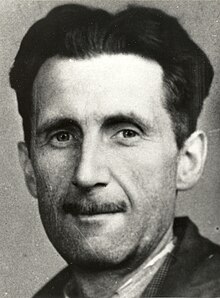
http://en.wikipedia.org/wiki/File:George_Orwell_press_photo.jpgThought for the Day

English novelist and journalist George Orwell wrote, “Each generation imagines itself to be more intelligent than the one that went before it, and wiser than the one that comes after it.”

Sunday, June 24, 2012

Bible Readings for June 24, 2012


Today our passages are 2 Kings 6:1–7:20; Acts 15:36–16:15; Psalm 142:1-7; and Proverbs 17:24-25. The readings are from The Message by Eugene H. Peterson.

2 Kings 6-7:20 (The Message)


2 Kings 6

 1-2 One day the guild of prophets came to Elisha and said, "You can see that this place where we're living under your leadership is getting cramped—we have no elbow room. Give us permission to go down to the Jordan where each of us will get a log. We'll build a roomier place."     Elisha said, "Go ahead."
 3 One of them then said, "Please! Come along with us!"
    He said, "Certainly."
 4-5 He went with them. They came to the Jordan and started chopping down trees. As one of them was felling a timber, his axhead flew off and sank in the river.
    "Oh no, master!" he cried out. "And it was borrowed!"
 6 The Holy Man said, "Where did it sink?"
    The man showed him the place.
    He cut off a branch and tossed it at the spot. The axhead floated up.
 7 "Grab it," he said. The man reached out and took it.
 8 One time when the king of Aram was at war with Israel, after consulting with his officers, he said, "At such and such a place I want an ambush set."
 9 The Holy Man sent a message to the king of Israel: "Watch out when you're passing this place, because Aram has set an ambush there."
 10 So the king of Israel sent word concerning the place of which the Holy Man had warned him.
    This kind of thing happened all the time.
 11 The king of Aram was furious over all this. He called his officers together and said, "Tell me, who is leaking information to the king of Israel? Who is the spy in our ranks?"
 12 But one of his men said, "No, my master, dear king. It's not any of us. It's Elisha the prophet in Israel. He tells the king of Israel everything you say, even what you whisper in your bedroom."
 13 The king said, "Go and find out where he is. I'll send someone and capture him."
    The report came back, "He's in Dothan."
 14 Then he dispatched horses and chariots, an impressive fighting force. They came by night and surrounded the city.
 15 Early in the morning a servant of the Holy Man got up and went out. Surprise! Horses and chariots surrounding the city! The young man exclaimed, "Oh, master! What shall we do?"
 16 He said, "Don't worry about it—there are more on our side than on their side."
 17 Then Elisha prayed, "O God, open his eyes and let him see."
    The eyes of the young man were opened and he saw. A wonder! The whole mountainside full of horses and chariots of fire surrounding Elisha!
 18 When the Arameans attacked, Elisha prayed to God, "Strike these people blind!" And God struck them blind, just as Elisha said.
 19 Then Elisha called out to them, "Not that way! Not this city! Follow me and I'll lead you to the man you're looking for." And he led them into Samaria.
 20 As they entered the city, Elisha prayed, "O God, open their eyes so they can see where they are." God opened their eyes. They looked around—they were trapped in Samaria!
 21 When the king of Israel saw them, he said to Elisha, "Father, shall I massacre the lot?"
 22 "Not on your life!" said Elisha. "You didn't lift a hand to capture them, and now you're going to kill them? No sir, make a feast for them and send them back to their master."
 23 So he prepared a huge feast for them. After they ate and drank their fill he dismissed them. Then they returned home to their master. The raiding bands of Aram didn't bother Israel anymore.
 24-25 At a later time, this: Ben-Hadad king of Aram pulled together his troops and launched a siege on Samaria. This brought on a terrible famine, so bad that food prices soared astronomically. Eighty shekels for a donkey's head! Five shekels for a bowl of field greens!
 26 One day the king of Israel was walking along the city wall. A woman cried out, "Help! Your majesty!"
 27 He answered, "If God won't help you, where on earth can I go for help? To the granary? To the dairy?"
 28-29 The king continued, "Tell me your story."
    She said, "This woman came to me and said, 'Give up your son and we'll have him for today's supper; tomorrow we'll eat my son.' So we cooked my son and ate him. The next day I told her, 'Your turn—bring your son so we can have him for supper.' But she had hidden her son away."
 30-31 When the king heard the woman's story he ripped apart his robe. Since he was walking on the city wall, everyone saw that next to his skin he was wearing coarse burlap. And he called out, "God do his worst to me—and more—if Elisha son of Shaphat still has a head on his shoulders at this day's end."
 32 Elisha was sitting at home, the elders sitting with him. The king had already dispatched an executioner, but before the man arrived Elisha spoke to the elders: "Do you know that this murderer has just now sent a man to take off my head? Look, when the executioner arrives, shut the door and lock it. Don't I even now hear the footsteps of his master behind him?"
 33 While he was giving his instructions, the king showed up, accusing, "This trouble is directly from God! And what's next? I'm fed up with God!"

2 Kings 7

 1 Elisha said, "Listen! God's word! The famine's over. This time tomorrow food will be plentiful—a handful of meal for a shekel; two handfuls of grain for a shekel. The market at the city gate will be buzzing."  2 The attendant on whom the king leaned for support said to the Holy Man, "You expect us to believe that? Trapdoors opening in the sky and food tumbling out?"
    "You'll watch it with your own eyes," he said, "but you will not eat so much as a mouthful!"
 3-4 It happened that four lepers were sitting just outside the city gate. They said to one another, "What are we doing sitting here at death's door? If we enter the famine-struck city we'll die; if we stay here we'll die. So let's take our chances in the camp of Aram and throw ourselves on their mercy. If they receive us we'll live, if they kill us we'll die. We've got nothing to lose."
 5-8 So after the sun went down they got up and went to the camp of Aram. When they got to the edge of the camp, surprise! Not a man in the camp! The Master had made the army of Aram hear the sound of horses and a mighty army on the march. They told one another, "The king of Israel hired the kings of the Hittites and the kings of Egypt to attack us!" Panicked, they ran for their lives through the darkness, abandoning tents, horses, donkeys—the whole camp just as it was—running for dear life. These four lepers entered the camp and went into a tent. First they ate and drank. Then they grabbed silver, gold, and clothing, and went off and hid it. They came back, entered another tent, and looted it, again hiding their plunder.
 9 Finally they said to one another, "We shouldn't be doing this! This is a day of good news and we're making it into a private party! If we wait around until morning we'll get caught and punished. Come on! Let's go tell the news to the king's palace!"
 10 So they went and called out at the city gate, telling what had happened: "We went to the camp of Aram and, surprise!—the place was deserted. Not a soul, not a sound! Horses and donkeys left tethered and tents abandoned just as they were."
 11-12 The gatekeepers got the word to the royal palace, giving them the whole story. Roused in the middle of the night, the king told his servants, "Let me tell you what Aram has done. They knew that we were starving, so they left camp and have hid in the field, thinking, 'When they come out of the city, we'll capture them alive and take the city.'"
 13 One of his advisors answered, "Let some men go and take five of the horses left behind. The worst that can happen is no worse than what could happen to the whole city. Let's send them and find out what's happened."
 14 They took two chariots with horses. The king sent them after the army of Aram with the orders, "Scout them out; find out what happened."
 15 They went after them all the way to the Jordan. The whole way was strewn with clothes and equipment that Aram had dumped in their panicked flight. The scouts came back and reported to the king.
 16 The people then looted the camp of Aram. Food prices dropped overnight—a handful of meal for a shekel; two handfuls of grain for a shekel—God's word to the letter!
 17 The king ordered his attendant, the one he leaned on for support, to be in charge of the city gate. The people, turned into a mob, poured through the gate, trampling him to death. It was exactly what the Holy Man had said when the king had come to see him.
 18-20 Every word of the Holy Man to the king—"A handful of meal for a shekel, two handfuls of grain for a shekel this time tomorrow in the gate of Samaria," with the attendant's sarcastic reply to the Holy Man, "You expect us to believe that? Trapdoors opening in the sky and food tumbling out?" followed by the response, "You'll watch it with your own eyes, but you won't eat so much as a mouthful"—proved true. The final stroke came when the people trampled the man to death at the city gate.


Acts 15:36-16:15 (The Message)


 36After a few days of this, Paul said to Barnabas, "Let's go back and visit all our friends in each of the towns where we preached the Word of God. Let's see how they're doing."
 37-41Barnabas wanted to take John along, the John nicknamed Mark. But Paul wouldn't have him; he wasn't about to take along a quitter who, as soon as the going got tough, had jumped ship on them in Pamphylia. Tempers flared, and they ended up going their separate ways: Barnabas took Mark and sailed for Cyprus; Paul chose Silas and, offered up by their friends to the grace of the Master, went to Syria and Cilicia to build up muscle and sinew in those congregations.

Acts 16

A Dream Gave Paul His Map
 1-3Paul came first to Derbe, then Lystra. He found a disciple there by the name of Timothy, son of a devout Jewish mother and Greek father. Friends in Lystra and Iconium all said what a fine young man he was. Paul wanted to recruit him for their mission, but first took him aside and circumcised him so he wouldn't offend the Jews who lived in those parts. They all knew that his father was Greek.  4-5As they traveled from town to town, they presented the simple guidelines the Jerusalem apostles and leaders had come up with. That turned out to be most helpful. Day after day the congregations became stronger in faith and larger in size.
 6-8They went to Phrygia, and then on through the region of Galatia. Their plan was to turn west into Asia province, but the Holy Spirit blocked that route. So they went to Mysia and tried to go north to Bithynia, but the Spirit of Jesus wouldn't let them go there either. Proceeding on through Mysia, they went down to the seaport Troas.
 9-10That night Paul had a dream: A Macedonian stood on the far shore and called across the sea, "Come over to Macedonia and help us!" The dream gave Paul his map. We went to work at once getting things ready to cross over to Macedonia. All the pieces had come together. We knew now for sure that God had called us to preach the good news to the Europeans.
 11-12Putting out from the harbor at Troas, we made a straight run for Samothrace. The next day we tied up at New City and walked from there to Philippi, the main city in that part of Macedonia and, even more importantly, a Roman colony. We lingered there several days.
 13-14On the Sabbath, we left the city and went down along the river where we had heard there was to be a prayer meeting. We took our place with the women who had gathered there and talked with them. One woman, Lydia, was from Thyatira and a dealer in expensive textiles, known to be a God-fearing woman. As she listened with intensity to what was being said, the Master gave her a trusting heart—and she believed!
 15After she was baptized, along with everyone in her household, she said in a surge of hospitality, "If you're confident that I'm in this with you and believe in the Master truly, come home with me and be my guests." We hesitated, but she wouldn't take no for an answer.


Psalm 142:1-7 (The Message)


Psalm 142

A David Prayer—When He Was in the Cave
 1-2 I cry out loudly to God, loudly I plead with God for mercy.
   I spill out all my complaints before him,
      and spell out my troubles in detail:

 3-7 "As I sink in despair, my spirit ebbing away,
      you know how I'm feeling,
   Know the danger I'm in,
      the traps hidden in my path.
   Look right, look left—
      there's not a soul who cares what happens!
   I'm up against it, with no exit—
      bereft, left alone.
   I cry out, God, call out:
      'You're my last chance, my only hope for life!'
   Oh listen, please listen;
      I've never been this low.
   Rescue me from those who are hunting me down;
      I'm no match for them.
   Get me out of this dungeon
      so I can thank you in public.
   Your people will form a circle around me
      and you'll bring me showers of blessing!"
 

Proverbs 17:24-25 (The Message)

 24 The perceptive find wisdom in their own front yard;
   fools look for it everywhere but right here.

 25 A surly, stupid child is sheer pain to a father,
   a bitter pill for a mother to swallow.


Verse of the Day

“But the Lord can be trusted to make you strong and protect you from harm.” - 2 Thessalonians 3:3
Today's passage is from the Contemporary English Version.


Thought for the Day

Spanish mystic, Catholic saint, Carmelite friar and priest John of the Cross wrote, “The very pure spirit does not bother about the regard of others or human respect, but communes inwardly with God, alone and in solitude as to all forms, and with delightful tranquility, for the knowledge of God is received in divine silence.”

Saturday, June 23, 2012

Bible Readings for June 23, 2012

Today our passages are 2 Kings 4:18–5:27; Acts 15:1-35; Psalm 141:1-10; and Proverbs 17:23. The readings are from The Message by Eugene H. Peterson.


2 Kings 4:18-5:27 (The Message)

18-19 The child grew up. One day he went to his father, who was working with the harvest hands, complaining, "My head, my head!"
His father ordered a servant, "Carry him to his mother."
20 The servant took him in his arms and carried him to his mother. He lay on her lap until noon and died.
21 She took him up and laid him on the bed of the man of God, shut him in alone, and left.
22 She then called her husband, "Get me a servant and a donkey so I can go to the Holy Man; I'll be back as soon as I can."
23 "But why today? This isn't a holy day—it's neither New Moon nor Sabbath."
She said, "Don't ask questions; I need to go right now. Trust me."
24-25 She went ahead and saddled the donkey, ordering her servant, "Take the lead—and go as fast as you can; I'll tell you if you're going too fast." And so off she went. She came to the Holy Man at Mount Carmel.
25-26 The Holy Man, spotting her while she was still a long way off, said to his servant Gehazi, "Look out there; why, it's the Shunammite woman! Quickly now. Ask her, 'Is something wrong? Are you all right? Your husband? Your child?'"
She said, "Everything's fine."
27 But when she reached the Holy Man at the mountain, she threw herself at his feet and held tightly to him.
Gehazi came up to pull her away, but the Holy Man said, "Leave her alone—can't you see that she's in distress? But God hasn't let me in on why; I'm completely in the dark."
28 Then she spoke up: "Did I ask for a son, master? Didn't I tell you, 'Don't tease me with false hopes'?"
29 He ordered Gehazi, "Don't lose a minute—grab my staff and run as fast as you can. If you meet anyone, don't even take time to greet him, and if anyone greets you, don't even answer. Lay my staff across the boy's face."
30 The boy's mother said, "As sure as God lives and you live, you're not leaving me behind." And so Gehazi let her take the lead, and followed behind.
31 But Gehazi arrived first and laid the staff across the boy's face. But there was no sound—no sign of life. Gehazi went back to meet Elisha and said, "The boy hasn't stirred."
32-35 Elisha entered the house and found the boy stretched out on the bed dead. He went into the room and locked the door—just the two of them in the room—and prayed to God. He then got into bed with the boy and covered him with his body, mouth on mouth, eyes on eyes, hands on hands. As he was stretched out over him like that, the boy's body became warm. Elisha got up and paced back and forth in the room. Then he went back and stretched himself upon the boy again. The boy started sneezing—seven times he sneezed!—and opened his eyes.
36 He called Gehazi and said, "Get the Shunammite woman in here!" He called her and she came in.
Elisha said, "Embrace your son!"
37 She fell at Elisha's feet, face to the ground in reverent awe. Then she embraced her son and went out with him.
38 Elisha went back down to Gilgal. There was a famine there. While he was consulting with the guild of prophets, he told his servant, "Put a large pot on the fire and cook up some stew for the prophets."
39-40 One of the men went out into the field to get some herbs; he came across a wild vine and picked gourds from it, filling his gunnysack. He brought them back, sliced them up, and put them in the stew, even though no one knew what kind of plant it was. The stew was then served up for the men to eat. They started to eat, and then exclaimed, "Death in the pot, O man of God! Death in the pot!" Nobody could eat it.
Elisha ordered, "Get me some meal." Then he sprinkled it into the stew pot.
41 "Now serve it up to the men," he said. They ate it, and it was just fine— nothing wrong with that stew!
42 One day a man arrived from Baal Shalishah. He brought the man of God twenty loaves of fresh-baked bread from the early harvest, along with a few apples from the orchard.
Elisha said, "Pass it around to the people to eat."
43 His servant said, "For a hundred men? There's not nearly enough!"
Elisha said, "Just go ahead and do it. God says there's plenty."
44 And sure enough, there was. He passed around what he had—they not only ate, but had leftovers.

2 Kings 5

1-3 Naaman was general of the army under the king of Aram. He was important to his master, who held him in the highest esteem because it was by him that God had given victory to Aram: a truly great man, but afflicted with a grievous skin disease. It so happened that Aram, on one of its raiding expeditions against Israel, captured a young girl who became a maid to Naaman's wife. One day she said to her mistress, "Oh, if only my master could meet the prophet of Samaria, he would be healed of his skin disease." 4 Naaman went straight to his master and reported what the girl from Israel had said.
5 "Well then, go," said the king of Aram. "And I'll send a letter of introduction to the king of Israel."
So he went off, taking with him about 750 pounds of silver, 150 pounds of gold, and ten sets of clothes.
6 Naaman delivered the letter to the king of Israel. The letter read, "When you get this letter, you'll know that I've personally sent my servant Naaman to you; heal him of his skin disease."
7 When the king of Israel read the letter, he was terribly upset, ripping his robe to pieces. He said, "Am I a god with the power to bring death or life that I get orders to heal this man from his disease? What's going on here? That king's trying to pick a fight, that's what!"
8 Elisha the man of God heard what had happened, that the king of Israel was so distressed that he'd ripped his robe to shreds. He sent word to the king, "Why are you so upset, ripping your robe like this? Send him to me so he'll learn that there's a prophet in Israel."
9 So Naaman with his horses and chariots arrived in style and stopped at Elisha's door.
10 Elisha sent out a servant to meet him with this message: "Go to the River Jordan and immerse yourself seven times. Your skin will be healed and you'll be as good as new."
11-12 Naaman lost his temper. He turned on his heel saying, "I thought he'd personally come out and meet me, call on the name of God, wave his hand over the diseased spot, and get rid of the disease. The Damascus rivers, Abana and Pharpar, are cleaner by far than any of the rivers in Israel. Why not bathe in them? I'd at least get clean." He stomped off, mad as a hornet.
13 But his servants caught up with him and said, "Father, if the prophet had asked you to do something hard and heroic, wouldn't you have done it? So why not this simple 'wash and be clean'?"
14 So he did it. He went down and immersed himself in the Jordan seven times, following the orders of the Holy Man. His skin was healed; it was like the skin of a little baby. He was as good as new.
15 He then went back to the Holy Man, he and his entourage, stood before him, and said, "I now know beyond a shadow of a doubt that there is no God anywhere on earth other than the God of Israel. In gratitude let me give you a gift."
16 "As God lives," Elisha replied, "the God whom I serve, I'll take nothing from you." Naaman tried his best to get him to take something, but he wouldn't do it.
17-18 "If you won't take anything," said Naaman, "let me ask you for something: Give me a load of dirt, as much as a team of donkeys can carry, because I'm never again going to worship any god other than God. But there's one thing for which I need God's pardon: When my master, leaning on my arm, enters the shrine of Rimmon and worships there, and I'm with him there, worshiping Rimmon, may you see to it that God forgive me for this."
19-21 Elisha said, "Everything will be all right. Go in peace."
But he hadn't gone far when Gehazi, servant to Elisha the Holy Man, said to himself, "My master has let this Aramean Naaman slip through his fingers without so much as a thank-you. By the living God, I'm going after him to get something or other from him!" And Gehazi took off after Naaman.
Naaman saw him running after him and jumped down from his chariot to greet him, "Is something wrong?"
22 "Nothing's wrong, but something's come up. My master sent me to tell you: 'Two young men just showed up from the hill country of Ephraim, brothers from the guild of the prophets. Supply their needs with a gift of 75 pounds of silver and a couple of sets of clothes.'"
23 Naaman said, "Of course, how about a 150 pounds?" Naaman insisted. He tied up the money in two sacks and gave him the two sets of clothes; he even gave him two servants to carry the gifts back with him.
24 When they got to the fort on the hill, Gehazi took the gifts from the servants, stored them inside, then sent the servants back.
25 He returned and stood before his master. Elisha said, "So what have you been up to, Gehazi?"
"Nothing much," he said.
26-27 Elisha said, "Didn't you know I was with you in spirit when that man stepped down from his chariot to greet you? Tell me, is this a time to look after yourself, lining your pockets with gifts? Naaman's skin disease will now infect you and your family, with no relief in sight."
Gehazi walked away, his skin flaky and white like snow.

Acts 15:1-35 (The Message)

Acts 15
To Let Outsiders Inside
1-2 It wasn't long before some Jews showed up from Judea insisting that everyone be circumcised: "If you're not circumcised in the Mosaic fashion, you can't be saved." Paul and Barnabas were up on their feet at once in fierce protest. The church decided to resolve the matter by sending Paul, Barnabas, and a few others to put it before the apostles and leaders in Jerusalem. 3After they were sent off and on their way, they told everyone they met as they traveled through Phoenicia and Samaria about the breakthrough to the non-Jewish outsiders. Everyone who heard the news cheered—it was terrific news!
4-5When they got to Jerusalem, Paul and Barnabas were graciously received by the whole church, including the apostles and leaders. They reported on their recent journey and how God had used them to open things up to the outsiders. Some Pharisees stood up to say their piece. They had become believers, but continued to hold to the hard party line of the Pharisees. "You have to circumcise the pagan converts," they said. "You must make them keep the Law of Moses."
6-9The apostles and leaders called a special meeting to consider the matter. The arguments went on and on, back and forth, getting more and more heated. Then Peter took the floor: "Friends, you well know that from early on God made it quite plain that he wanted the pagans to hear the Message of this good news and embrace it—and not in any secondhand or roundabout way, but firsthand, straight from my mouth. And God, who can't be fooled by any pretense on our part but always knows a person's thoughts, gave them the Holy Spirit exactly as he gave him to us. He treated the outsiders exactly as he treated us, beginning at the very center of who they were and working from that center outward, cleaning up their lives as they trusted and believed him.
10-11"So why are you now trying to out-god God, loading these new believers down with rules that crushed our ancestors and crushed us, too? Don't we believe that we are saved because the Master Jesus amazingly and out of sheer generosity moved to save us just as he did those from beyond our nation? So what are we arguing about?"
12-13There was dead silence. No one said a word. With the room quiet, Barnabas and Paul reported matter-of-factly on the miracles and wonders God had done among the other nations through their ministry. The silence deepened; you could hear a pin drop.
13-18James broke the silence. "Friends, listen. Simeon has told us the story of how God at the very outset made sure that racial outsiders were included. This is in perfect agreement with the words of the prophets:

After this, I'm coming back;
I'll rebuild David's ruined house;
I'll put all the pieces together again;
I'll make it look like new
So outsiders who seek will find,
so they'll have a place to come to,
All the pagan peoples
included in what I'm doing.
"God said it and now he's doing it. It's no afterthought; he's always known he would do this.
19-21"So here is my decision: We're not going to unnecessarily burden non-Jewish people who turn to the Master. We'll write them a letter and tell them, 'Be careful to not get involved in activities connected with idols, to guard the morality of sex and marriage, to not serve food offensive to Jewish Christians—blood, for instance.' This is basic wisdom from Moses, preached and honored for centuries now in city after city as we have met and kept the Sabbath."
22-23Everyone agreed: apostles, leaders, all the people. They picked Judas (nicknamed Barsabbas) and Silas—they both carried considerable weight in the church—and sent them to Antioch with Paul and Barnabas with this letter:
From the apostles and leaders, your friends, to our friends in Antioch, Syria, and Cilicia:
Hello! 24-27We heard that some men from our church went to you and said things that confused and upset you. Mind you, they had no authority from us; we didn't send them. We have agreed unanimously to pick representatives and send them to you with our good friends Barnabas and Paul. We picked men we knew you could trust, Judas and Silas—they've looked death in the face time and again for the sake of our Master Jesus Christ. We've sent them to confirm in a face-to-face meeting with you what we've written. 28-29It seemed to the Holy Spirit and to us that you should not be saddled with any crushing burden, but be responsible only for these bare necessities: Be careful not to get involved in activities connected with idols; avoid serving food offensive to Jewish Christians (blood, for instance); and guard the morality of sex and marriage. These guidelines are sufficient to keep relations congenial between us. And God be with you! Barnabas and Paul Go Their Separate Ways
30-33And so off they went to Antioch. On arrival, they gathered the church and read the letter. The people were greatly relieved and pleased. Judas and Silas, good preachers both of them, strengthened their new friends with many words of courage and hope. Then it was time to go home. They were sent off by their new friends with laughter and embraces all around to report back to those who had sent them.
35Paul and Barnabas stayed on in Antioch, teaching and preaching the Word of God. But they weren't alone. There were a number of teachers and preachers at that time in Antioch.

Psalm 141:1-10 (The Message)

Psalm 141

A David Psalm
1-2 God, come close. Come quickly! Open your ears—it's my voice you're hearing!
Treat my prayer as sweet incense rising;
my raised hands are my evening prayers.

3-7 Post a guard at my mouth, God,
set a watch at the door of my lips.
Don't let me so much as dream of evil
or thoughtlessly fall into bad company.
And these people who only do wrong—
don't let them lure me with their sweet talk!
May the Just One set me straight,
may the Kind One correct me,
Don't let sin anoint my head.
I'm praying hard against their evil ways!
Oh, let their leaders be pushed off a high rock cliff;
make them face the music.
Like a rock pulverized by a maul,
let their bones be scattered at the gates of hell.

8-10 But God, dear Lord,
I only have eyes for you.
Since I've run for dear life to you,
take good care of me.
Protect me from their evil scheming,
from all their demonic subterfuge.
Let the wicked fall flat on their faces,
while I walk off without a scratch.

Proverbs 17:23 (The Message)

23 The wicked take bribes under the table;
they show nothing but contempt for justice.


Verse of the Day

“But those who trust the LORD will find new strength. They will be strong like eagles soaring upward on wings; they will walk and run without getting tired.” - Isaiah 40:31
Today's passage is from the Contemporary English Version.


Thought for the Day

English cleric, writer and collector Charles Caleb Colton wrote, “Those that are the loudest in their threats are the weakest in their actions.”

Friday, June 22, 2012

Bible Readings for June 22, 2012


Today our passages are 2 Kings 3:1–4:17; Acts 14:8-28; Psalm 140:1-13; and Proverbs 17:22. The readings are from The Message by Eugene H. Peterson.

2 Kings 3-4:17 (The Message)


2 Kings 3

Joram of Israel
 1-3 Joram son of Ahab began his rule over Israel in Samaria in the eighteenth year of Jehoshaphat king of Judah. He was king for twelve years. In God's sight he was a bad king. But he wasn't as bad as his father and mother—to his credit he destroyed the obscene Baal stone that his father had made. But he hung on to the sinful practices of Jeroboam son of Nebat, the ones that had corrupted Israel for so long. He wasn't about to give them up.  4-7 King Mesha of Moab raised sheep. He was forced to give the king of Israel 100,000 lambs and another 100,000 rams. When Ahab died, the king of Moab rebelled against the king of Israel. So King Joram set out from Samaria and prepared Israel for war. His first move was to send a message to Jehoshaphat king of Judah: "The king of Moab has rebelled against me. Would you join me and fight him?"
 7-8 "I'm with you all the way," said Jehoshaphat. "My troops are your troops, my horses are your horses. Which route shall we take?"
    "Through the badlands of Edom."
 9 The king of Israel, the king of Judah, and the king of Edom started out on what proved to be a looping detour. After seven days they had run out of water for both army and animals.
 10 The king of Israel said, "Bad news! God has gotten us three kings out here to dump us into the hand of Moab."
 11 But Jehoshaphat said, "Isn't there a prophet of God anywhere around through whom we can consult God?"
    One of the servants of the king of Israel said, "Elisha son of Shaphat is around somewhere—the one who was Elijah's right-hand man."
 12 Jehoshaphat said, "Good! A man we can trust!" So the three of them— the king of Israel, Jehoshaphat, and the king of Edom—went to meet him.
 13 Elisha addressed the king of Israel, "What do you and I have in common? Go consult the puppet-prophets of your father and mother."
    "Never!" said the king of Israel. "It's God who has gotten us into this fix, dumping all three of us kings into the hand of Moab."
 14-15 Elisha said, "As God-of-the-Angel-Armies lives, and before whom I stand ready to serve, if it weren't for the respect I have for Jehoshaphat king of Judah, I wouldn't give you the time of day. But considering—bring me a minstrel." (When a minstrel played, the power of God came on Elisha.)
 16-19 He then said, "God's word: Dig ditches all over this valley. Here's what will happen—you won't hear the wind, you won't see the rain, but this valley is going to fill up with water and your army and your animals will drink their fill. This is easy for God to do; he will also hand over Moab to you. You will ravage the country: Knock out its fortifications, level the key villages, clear-cut the orchards, clog the springs, and litter the cultivated fields with stones."
 20 In the morning—it was at the hour of morning sacrifice—the water had arrived, water pouring in from the west, from Edom, a flash flood filling the valley with water.
 21-22 By this time everyone in Moab had heard that the kings had come up to make war against them. Everyone who was able to handle a sword was called into service and took a stand at the border. They were up and ready early in the morning when the sun rose over the water. From where the Moabites stood, the water reflecting the sun looked red, like blood.
 23 "Blood! Look at the blood!" they said. "The kings must have fought each other—a bloody massacre! Go for the loot, Moab!"
 24-25 When Moab entered the camp of Israel, the Israelites were up on their feet killing Moabites right and left, the Moabites running for their lives, Israelites relentless in pursuit—a slaughter. They leveled the towns, littered the cultivated fields with rocks, clogged the springs, and clear-cut the orchards. Only the capital, Kir Hareseth, was left intact, and that not for long; it too was surrounded and attacked with thrown and flung rocks.
 26-27 When the king of Moab realized that he was fighting a losing battle, he took seven hundred swordsmen to hack a corridor past the king of Edom, but they didn't make it. Then he took his son, his firstborn who would succeed him as king, and sacrificed him on the city wall. That set off furious anger against Israel. Israel pulled back and returned home.

2 Kings 4

 1 One day the wife of a man from the guild of prophets called out to Elisha, "Your servant my husband is dead. You well know what a good man he was, devoted to God. And now the man to whom he was in debt is on his way to collect by taking my two children as slaves."  2 Elisha said, "I wonder how I can be of help. Tell me, what do you have in your house?"
    "Nothing," she said. "Well, I do have a little oil."
 3-4 "Here's what you do," said Elisha. "Go up and down the street and borrow jugs and bowls from all your neighbors. And not just a few—all you can get. Then come home and lock the door behind you, you and your sons. Pour oil into each container; when each is full, set it aside."
 5-6 She did what he said. She locked the door behind her and her sons; as they brought the containers to her, she filled them. When all the jugs and bowls were full, she said to one of her sons, "Another jug, please."
    He said, "That's it. There are no more jugs."
    Then the oil stopped.
 7 She went and told the story to the man of God. He said, "Go sell the oil and make good on your debts. Live, both you and your sons, on what's left."

8 One day Elisha passed through Shunem. A leading lady of the town talked him into stopping for a meal. And then it became his custom: Whenever he passed through, he stopped by for a meal.
 9-10 "I'm certain," said the woman to her husband, "that this man who stops by with us all the time is a holy man of God. Why don't we add on a small room upstairs and furnish it with a bed and desk, chair and lamp, so that when he comes by he can stay with us?"
 11 And so it happened that the next time Elisha came by he went to the room and lay down for a nap.
 12 Then he said to his servant Gehazi, "Tell the Shunammite woman I want to see her." He called her and she came to him.
 13 Through Gehazi Elisha said, "You've gone far beyond the call of duty in taking care of us; what can we do for you? Do you have a request we can bring to the king or to the commander of the army?"
    She replied, "Nothing. I'm secure and satisfied in my family."
 14 Elisha conferred with Gehazi: "There's got to be something we can do for her. But what?"
    Gehazi said, "Well, she has no son, and her husband is an old man."
 15 "Call her in," said Elisha. He called her and she stood at the open door.
 16 Elisha said to her, "This time next year you're going to be nursing an infant son."
    "O my master, O Holy Man," she said, "don't play games with me, teasing me with such fantasies!"
 17 The woman conceived. A year later, just as Elisha had said, she had a son.


Acts 14:8-28 (The Message)


Gods or Men?
 8-10There was a man in Lystra who couldn't walk. He sat there, crippled since the day of his birth. He heard Paul talking, and Paul, looking him in the eye, saw that he was ripe for God's work, ready to believe. So he said, loud enough for everyone to hear, "Up on your feet!" The man was up in a flash—jumped up and walked around as if he'd been walking all his life.  11-13When the crowd saw what Paul had done, they went wild, calling out in their Lyconian dialect, "The gods have come down! These men are gods!" They called Barnabas "Zeus" and Paul "Hermes" (since Paul did most of the speaking). The priest of the local Zeus shrine got up a parade—bulls and banners and people lined right up to the gates, ready for the ritual of sacrifice.
 14-15When Barnabas and Paul finally realized what was going on, they stopped them. Waving their arms, they interrupted the parade, calling out, "What do you think you're doing! We're not gods! We are men just like you, and we're here to bring you the Message, to persuade you to abandon these silly god-superstitions and embrace God himself, the living God. We don't make God; he makes us, and all of this—sky, earth, sea, and everything in them.
 16-18"In the generations before us, God let all the different nations go their own way. But even then he didn't leave them without a clue, for he made a good creation, poured down rain and gave bumper crops. When your bellies were full and your hearts happy, there was evidence of good beyond your doing." Talking fast and hard like this, they prevented them from carrying out the sacrifice that would have honored them as gods—but just barely.
 19-20Then some Jews from Antioch and Iconium caught up with them and turned the fickle crowd against them. They beat Paul unconscious, dragged him outside the town and left him for dead. But as the disciples gathered around him, he came to and got up. He went back into town and the next day left with Barnabas for Derbe.
Plenty of Hard Times
 21-22After proclaiming the Message in Derbe and establishing a strong core of disciples, they retraced their steps to Lystra, then Iconium, and then Antioch, putting muscle and sinew in the lives of the disciples, urging them to stick with what they had begun to believe and not quit, making it clear to them that it wouldn't be easy: "Anyone signing up for the kingdom of God has to go through plenty of hard times."  23-26Paul and Barnabas handpicked leaders in each church. After praying— their prayers intensified by fasting—they presented these new leaders to the Master to whom they had entrusted their lives. Working their way back through Pisidia, they came to Pamphylia and preached in Perga. Finally, they made it to Attalia and caught a ship back to Antioch, where it had all started—launched by God's grace and now safely home by God's grace. A good piece of work.
 27-28On arrival, they got the church together and reported on their trip, telling in detail how God had used them to throw the door of faith wide open so people of all nations could come streaming in. Then they settled down for a long, leisurely visit with the disciples.


Psalm 140:1-13 (The Message)


Psalm 140

A David Psalm
 1-5 God, get me out of here, away from this evil; protect me from these vicious people.
   All they do is think up new ways to be bad;
      they spend their days plotting war games.
   They practice the sharp rhetoric of hate and hurt,
      speak venomous words that maim and kill.
   God, keep me out of the clutch of these wicked ones,
      protect me from these vicious people;
   Stuffed with self-importance, they plot ways to trip me up,
      determined to bring me down.
   These crooks invent traps to catch me
      and do their best to incriminate me.

 6-8 I prayed, "God, you're my God!
      Listen, God! Mercy!
   God, my Lord, Strong Savior,
      protect me when the fighting breaks out!
   Don't let the wicked have their way, God,
      don't give them an inch!"

 9-11 These troublemakers all around me—
      let them drown in their own verbal poison.
   Let God pile hellfire on them,
      let him bury them alive in crevasses!
   These loudmouths—
      don't let them be taken seriously;
   These savages—
      let the Devil hunt them down!

 12-13 I know that you, God, are on the side of victims,
      that you care for the rights of the poor.
   And I know that the righteous personally thank you,
      that good people are secure in your presence.
 

Proverbs 17:22 (The Message)

 22 A cheerful disposition is good for your health;
   gloom and doom leave you bone-tired.


Verse of the Day

“The LORD will protect you and keep you safe from all dangers. The LORD will protect you now and always wherever you go.” - Psalm 121:7-8
Today's passage is from the Contemporary English Version.


Thought for the Day
American systems theorist, architect, engineer, author, designer, inventor, and futurist R. Buckminster Fuller wrote, “I’m not a genius. I’m just a tremendous bundle of experience.”

Thursday, June 21, 2012

Bible Readings for June 21, 2012


Today our passages are 2 Kings 1:1–2:25; Acts 13:42–14:7; Psalm 139:1-24; and Proverbs 17:19-21. The readings are from The Message by Eugene H. Peterson.

2 Kings 1-2:25 (The Message)


2 Kings 1

 1After Ahab died, Moab rebelled against Israel.  2 One day Ahaziah fell through the balcony railing on the rooftop of his house in Samaria and was injured. He sent messengers off to consult Baal-Zebub, the god of Ekron, "Am I going to recover from this accident?" 3-4 God's angel spoke to Elijah the Tishbite: "Up on your feet! Go out and meet the messengers of the king of Samaria with this word, 'Is it because there's no God in Israel that you're running off to consult Baal-Zebub god of Ekron?' Here's a message from the God you've tried to bypass: 'You're not going to get out of that bed you're in—you're as good as dead already.'" Elijah delivered the message and was gone.
 5 The messengers went back. The king said, "So why are you back so soon—what's going on?"
 6 They told him, "A man met us and said, 'Turn around and go back to the king who sent you; tell him, God's message: Is it because there's no God in Israel that you're running off to consult Baal-Zebub god of Ekron? You needn't bother. You're not going to get out of that bed you're in—you're as good as dead already.'"
 7 The king said, "Tell me more about this man who met you and said these things to you. What was he like?"
 8 "Shaggy," they said, "and wearing a leather belt."
    He said, "That has to be Elijah the Tishbite!"
 9 The king sent a captain with fifty men to Elijah. Meanwhile Elijah was sitting, big as life, on top of a hill. The captain said, "O Holy Man! King's orders: Come down!"
 10 Elijah answered the captain of the fifty, "If it's true that I'm a 'holy man,' lightning strike you and your fifty men!" Out of the blue lightning struck and incinerated the captain and his fifty.
 11 The king sent another captain with his fifty men, "O Holy Man! King's orders: Come down. And right now!"
 12 Elijah answered, "If it's true that I'm a 'holy man,' lightning strike you and your fifty men!" Immediately a divine lightning bolt struck and incinerated the captain and his fifty.
 13-14 The king then sent a third captain with his fifty men. For a third time, a captain with his fifty approached Elijah. This one fell on his knees in supplication: "O Holy Man, have respect for my life and the souls of these fifty men! Twice now lightning from out of the blue has struck and incinerated captains with their fifty men; please, I beg you, respect my life!"
 15 The angel of God told Elijah, "Go ahead; and don't be afraid." Elijah got up and went down with him to the king.
 16 Elijah told him, "God's word: Because you sent messengers to consult Baal-Zebub the god of Ekron, as if there were no God in Israel to whom you could pray, you'll never get out of that bed alive—already you're as good as dead."
 17 And he died, exactly as God's word spoken by Elijah had said.
    Because Ahaziah had no son, his brother Joram became the next king. The succession took place in the second year of the reign of Jehoram son of Jehoshaphat king of Judah.
 18 The rest of Ahaziah's life is recorded in The Chronicles of the Kings of Israel.

2 Kings 2

 1-2 Just before God took Elijah to heaven in a whirlwind, Elijah and Elisha were on a walk out of Gilgal. Elijah said to Elisha, "Stay here. God has sent me on an errand to Bethel."     Elisha said, "Not on your life! I'm not letting you out of my sight!" So they both went to Bethel.
 3 The guild of prophets at Bethel met Elisha and said, "Did you know that God is going to take your master away from you today?"
    "Yes," he said, "I know it. But keep it quiet."
 4 Then Elijah said to Elisha, "Stay here. God has sent me on an errand to Jericho."
    Elisha said, "Not on your life! I'm not letting you out of my sight!" So they both went to Jericho.
 5 The guild of prophets at Jericho came to Elisha and said, "Did you know that God is going to take your master away from you today?"
    "Yes," he said, "I know it. But keep it quiet."
 6 Then Elijah said to Elisha, "Stay here. God has sent me on an errand to the Jordan."
    Elisha said, "Not on your life! I'm not letting you out of my sight!" And so the two of them went their way together.
 7 Meanwhile, fifty men from the guild of prophets gathered some distance away while the two of them stood at the Jordan.
 8 Elijah took his cloak, rolled it up, and hit the water with it. The river divided and the two men walked through on dry land.
 9 When they reached the other side, Elijah said to Elisha, "What can I do for you before I'm taken from you? Ask anything."
    Elisha said, "Your life repeated in my life. I want to be a holy man just like you."
 10 "That's a hard one!" said Elijah. "But if you're watching when I'm taken from you, you'll get what you've asked for. But only if you're watching."
 11-14 And so it happened. They were walking along and talking. Suddenly a chariot and horses of fire came between them and Elijah went up in a whirlwind to heaven. Elisha saw it all and shouted, "My father, my father! You—the chariot and cavalry of Israel!" When he could no longer see anything, he grabbed his robe and ripped it to pieces. Then he picked up Elijah's cloak that had fallen from him, returned to the shore of the Jordan, and stood there. He took Elijah's cloak—all that was left of Elijah!—and hit the river with it, saying, "Now where is the God of Elijah? Where is he?"
    When he struck the water, the river divided and Elisha walked through.
 15 The guild of prophets from Jericho saw the whole thing from where they were standing. They said, "The spirit of Elijah lives in Elisha!" They welcomed and honored him.
 16 They then said, "We're at your service. We have fifty reliable men here; let's send them out to look for your master. Maybe God's spirit has swept him off to some mountain or dropped him into a remote ravine."
    Elisha said, "No. Don't send them."
 17 But they pestered him until he caved in: "Go ahead then. Send them."
    So they sent the fifty men off. For three days they looked, searching high and low. Nothing.
 18 Finally, they returned to Elisha in Jericho. He told them, "So there— didn't I tell you?"
 19 One day the men of the city said to Elisha, "You can see for yourself, master, how well our city is located. But the water is polluted and nothing grows."
 20 He said, "Bring me a brand-new bowl and put some salt in it." They brought it to him.
 21-22 He then went to the spring, sprinkled the salt into it, and proclaimed, "God's word: I've healed this water. It will no longer kill you or poison your land." And sure enough, the water was healed—and remains so to this day, just as Elisha said.
 23 Another time, Elisha was on his way to Bethel and some little kids came out from the town and taunted him, "What's up, old baldhead! Out of our way, skinhead!"
 24 Elisha turned, took one look at them, and cursed them in the name of God. Two bears charged out of the underbrush and knocked them about, ripping them limb from limb—forty-two children in all!
 25 Elisha went on to Mount Carmel, and then returned to Samaria.


Acts 13:42-14:7 (The Message)


 42-43When the service was over, Paul and Barnabas were invited back to preach again the next Sabbath. As the meeting broke up, a good many Jews and converts to Judaism went along with Paul and Barnabas, who urged them in long conversations to stick with what they'd started, this living in and by God's grace.
 44-45When the next Sabbath came around, practically the whole city showed up to hear the Word of God. Some of the Jews, seeing the crowds, went wild with jealousy and tore into Paul, contradicting everything he was saying, making an ugly scene.
 46-47But Paul and Barnabas didn't back down. Standing their ground they said, "It was required that God's Word be spoken first of all to you, the Jews. But seeing that you want no part of it—you've made it quite clear that you have no taste or inclination for eternal life—the door is open to all the outsiders. And we're on our way through it, following orders, doing what God commanded when he said,

   I've set you up
      as light to all nations.
   You'll proclaim salvation
      to the four winds and seven seas!"
 48-49When the non-Jewish outsiders heard this, they could hardly believe their good fortune. All who were marked out for real life put their trust in God—they honored God's Word by receiving that life. And this Message of salvation spread like wildfire all through the region.
 50-52Some of the Jews convinced the most respected women and leading men of the town that their precious way of life was about to be destroyed. Alarmed, they turned on Paul and Barnabas and forced them to leave. Paul and Barnabas shrugged their shoulders and went on to the next town, Iconium, brimming with joy and the Holy Spirit, two happy disciples.

Acts 14

 1-3 When they got to Iconium they went, as they always did, to the meeting place of the Jews and gave their message. The Message convinced both Jews and non-Jews—and not just a few, either. But the unbelieving Jews worked up a whispering campaign against Paul and Barnabas, sowing mistrust and suspicion in the minds of the people in the street. The two apostles were there a long time, speaking freely, openly, and confidently as they presented the clear evidence of God's gifts, God corroborating their work with miracles and wonders.  4-7But then there was a split in public opinion, some siding with the Jews, some with the apostles. One day, learning that both the Jews and non-Jews had been organized by their leaders to beat them up, they escaped as best they could to the next towns—Lyconia, Lystra, Derbe, and that neighborhood—but then were right back at it again, getting out the Message.


Psalm 139:1-24 (The Message)


Psalm 139

A David Psalm
 1-6 God, investigate my life; get all the facts firsthand.
   I'm an open book to you;
      even from a distance, you know what I'm thinking.
   You know when I leave and when I get back;
      I'm never out of your sight.
   You know everything I'm going to say
      before I start the first sentence.
   I look behind me and you're there,
      then up ahead and you're there, too—
      your reassuring presence, coming and going.
   This is too much, too wonderful—
      I can't take it all in!

 7-12 Is there anyplace I can go to avoid your Spirit?
      to be out of your sight?
   If I climb to the sky, you're there!
      If I go underground, you're there!
   If I flew on morning's wings
      to the far western horizon,
   You'd find me in a minute—
      you're already there waiting!
   Then I said to myself, "Oh, he even sees me in the dark!
      At night I'm immersed in the light!"
   It's a fact: darkness isn't dark to you;
      night and day, darkness and light, they're all the same to you.

 13-16 Oh yes, you shaped me first inside, then out;
      you formed me in my mother's womb.
   I thank you, High God—you're breathtaking!
      Body and soul, I am marvelously made!
      I worship in adoration—what a creation!
   You know me inside and out,
      you know every bone in my body;
   You know exactly how I was made, bit by bit,
      how I was sculpted from nothing into something.
   Like an open book, you watched me grow from conception to birth;
      all the stages of my life were spread out before you,
   The days of my life all prepared
      before I'd even lived one day.

 17-22 Your thoughts—how rare, how beautiful!
      God, I'll never comprehend them!
   I couldn't even begin to count them—
      any more than I could count the sand of the sea.
   Oh, let me rise in the morning and live always with you!
      And please, God, do away with wickedness for good!
   And you murderers—out of here!—
      all the men and women who belittle you, God,
      infatuated with cheap god-imitations.
   See how I hate those who hate you, God,
      see how I loathe all this godless arrogance;
   I hate it with pure, unadulterated hatred.
      Your enemies are my enemies!

 23-24 Investigate my life, O God,
      find out everything about me;
   Cross-examine and test me,
      get a clear picture of what I'm about;
   See for yourself whether I've done anything wrong—
      then guide me on the road to eternal life.

Proverbs 17:19-21 (The Message)

 19 The person who courts sin marries trouble;
   build a wall, invite a burglar.

 20 A bad motive can't achieve a good end;
   double-talk brings you double trouble.

 21 Having a fool for a child is misery;
   it's no fun being the parent of a dolt.


Verse of the Day

“[The LORD Is My Fortress]Live under the protection of God Most High and stay in the shadow of God All-Powerful.” - Psalm 91:1
Today's passage is from the Contemporary English Version.


Thought for the Day
American theologian and commentator on public affairs Reinhold Niebuhr wrote, “Man’s capacity for justice makes democracy possible, but man’s inclination to injustice makes democracy necessary.”